Loading …
Working towards a sustainable future
Sustainability
Sustainable aluminium manufacturing with a focus on the circular economy
Sustainability
Conal focuses on sustainability through energy-efficient processes and resource-efficient production. The recyclability of aluminium plays a key role in this.
By reusing aluminium scrap and using secondary aluminium, we are already making a significant contribution to the circular economy.
We complement these efforts by continuously optimising energy consumption and introducing modern environmental standards.
Conal’s sustainability strategy is the result of a comprehensive analysis of the value chain, the company profile and key industry requirements.
View our sustainability report
The report is available in German only.
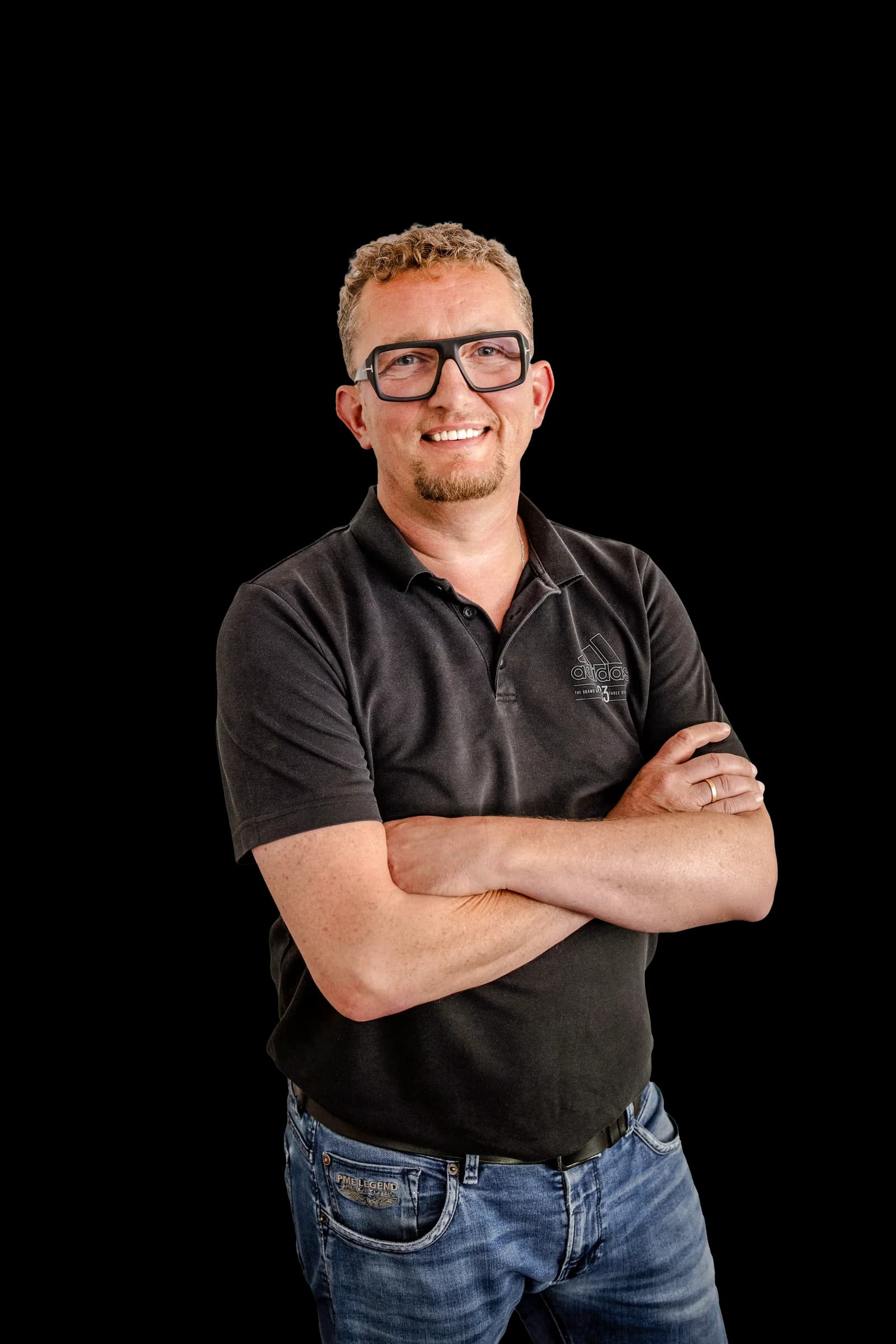
»Sustainability guides our actions and strengthens our long-term resilience.«Immanuel Fallner
Managing Director
Our strategy
Our strategy centres on the four key areas of action most relevant to Conal:
- Employees
- Environment
- Supply chain
- Production
Our objectives
Promoting the circular economy and expanding the use of renewable energy are top priorities at Conal, as they reduce environmental impacts while also delivering economic benefits through greater resource efficiency.
Our priorities in the Employees area are improving working conditions and strengthening sustainability awareness, helping to secure a motivated and future-ready workforce.
Since 2024, Conal has calculated its carbon footprint annually for Scopes 1–3 and systematically recorded energy consumption, material use and waste volumes. In future, material consumption and scrap will be digitally recorded and analysed in production.
From 2026 onwards, supplier audits will supplement our monitoring of environmental and social standards throughout the value chain.
Scope 172.17 t
Direct emissions amount to 72.17 t CO₂e and result mainly from heating and the company’s vehicle fleet.
Scope 252.07 t
Indirect energy-related emissions stem from purchased electricity. The commissioning of the photovoltaic system in 2024 marked an important step towards reducing emissions. Further expanding the photovoltaic system, using renewable energy, investing in more energy-efficient machinery and gradually transitioning to an all-electric vehicle fleet will help reduce Scope 2 emissions further.
Scope 3978.84 t
Indirect emissions amount to 978.84 t CO₂e and account for the largest share of our overall carbon footprint. They arise primarily from upstream processes associated with energy-intensive aluminium production, logistics and material use. We aim to reduce these emissions significantly through the increased use of secondary aluminium and closer cooperation with suppliers.
Next steps
Our carbon footprint will be recalculated annually to document progress and identify deviations at an early stage. The results will feed directly into our sustainability strategy and operational target-setting.
A tabular breakdown will be included from the next reporting year onwards once comparative data from the annual carbon footprint calculations are available.

Do you have a question about our sustainability strategy?Marlon Junggebauer
Executive Assistant